When you start shopping for coverage, the internet offers a flood of options, price comparison tools, and glossy ads. That convenience matters, but there are still very real advantages to walking into a nearby office, calling a local agent, or scheduling an in-person appointment. Below I describe seven tangible reasons to choose a local insurance agency near me, based on conversations with clients, years working in insurance, and handling claims where local presence made the difference.
Why proximity matters beyond convenience Physical closeness is not the only benefit of a local agency, but it unlocks others that compound. A local agent brings familiarity with regional risks, personal accountability, and the kind of relationship that survives complex claims. If you live in Hammond and search for an insurance agency hammond, that location-specific knowledge and responsiveness often outweigh a tiny annual premium saving from a national online broker.
1) Faster, clearer service when timing counts Insurance rarely matters until it matters urgently. When a tree falls on your roof during a storm, a flood affects a basement, or you need a quick State Farm quote to finalize a car purchase, a local agent can react in ways an automated system cannot. Real people answer questions, schedule inspections, and advocate with carriers. That speeds up service, and speeds matter in repair timelines, temporary housing approvals, and reducing secondary damage.
A recent client example: after a weekend hailstorm a homeowner called a local agent at 7:30 a.m., within hours an adjuster was scheduled, and the homeowner had a prioritized line for follow-up estimates. Had that homeowner relied on an online portal alone, the initial triage could have taken days.
2) Claims advocacy you can trust Claims are where trust gets tested. A local agent who knows their clients and the carriers they represent can be a vocal advocate during complex claims. That may include pushing for faster inspections, clarifying policy language when liability is disputed, or mediating between repair vendors and the insurer.
This is not advocacy that bends policy language, but advocacy that helps interpret coverage, assemble documentation, and keep the claim moving. For someone dealing with personal loss, mental bandwidth is limited. A local agent reduces the cognitive burden by handling the paperwork and keeping you informed, often via a phone call or office meeting rather than a long email thread.
3) Personalized coverage, not cookie-cutter quotes Online quote engines work by matching inputs to pre-programmed templates. Those templates are efficient, but they miss nuance. Local agents ask follow-up questions that matter for premiums and protection. Are you restoring an older home with original wiring, which may require specific endorsements? Do you run a home-based business that needs a business owner policy or a rider? Do you intend to park a classic car in a detached garage, which affects agreed value coverage?
A local agent takes these details into account and can recommend coverages tailored to your situation. That may result in slightly higher premiums in some cases, but often it prevents gaps that are costly later. For example, bundling homeowner and car insurance through a local agency, with proper endorsement for a home-based studio, produced a better outcome for an artist I consulted with than the low-cost, homeowner-only plan they found online.
4) Local market knowledge and carrier relationships Insurance markets vary by region. Coastal communities face different windstorm and flood profiles than inland towns. Urban areas carry distinct auto-theft and liability patterns compared with rural counties. A local agent knows which carriers underwrite what risks well, who adjusts claims promptly, and which insurers are willing to offer niche coverages.
That knowledge has practical consequences. For instance, in some areas insurers suspend certain new business lines after a big catastrophe. A local agent will know which carriers are still writing new policies, which will offer wind mitigation credits, and which require additional inspections. They also know local repair contractors, restoration companies, and legal resources, which speeds restoration.
5) Personalized discounts and risk-reduction advice Agents do more than sell policies, they help manage risk. A local agent will suggest ways to reduce premiums through mitigation steps that make sense for your home and vehicle. That might include installing a monitored alarm, retrofitting a roof for wind resistance, adding a garage door reinforcement, or advising on teen driver programs that lower car insurance costs.
These recommendations are concrete. In one neighborhood, several homeowners lowered premiums by 10 to 15 percent after collectively installing permitted storm shutters and documenting the upgrades with the agent and carrier. Those savings were not fictional, they were the result of targeted measures that the agent knew carriers would reward.
6) Relationship continuity during life transitions People move through predictable life stages that affect coverage needs. Graduating from college, buying a first car, getting married, adding a teenage driver, starting a business, or retiring and traveling more — each change alters risk. A local agent who builds a relationship over time becomes an advisor who anticipates those transitions and proactively reviews coverage.
One family I worked with had the same local agent for over a decade. The agent flagged the need for an umbrella policy after the couple opened a small daycare in their home, pointed out when liability exposure increased, and coordinated commercial coverage that dovetailed with their homeowner policy. That continuity prevented a coverage gap that could have been costly had they reacted only after an incident.
7) Community ties and accountability Local agencies are embedded in their communities. They sponsor youth sports leagues, volunteer with disaster relief, and attend city council meetings. That visibility creates accountability. When an agent’s reputation matters locally, they have stronger incentives to handle claims efficiently and treat clients fairly.
Community ties also matter when you need referrals beyond insurance. Need a reputable contractor after a storm, a certified public adjuster, or a local attorney who understands insurance litigation? Agents often provide vetted referrals. That network saves time and reduces the risk of working with unvetted service providers.
How to choose a good local agency: a short checklist Ask these five questions during your initial contact, either by phone or in person, to separate transactional sellers from true advisors.
How long has your agency operated locally, and can you describe recent claims you helped with here? Which carriers do you represent, and which do you recommend for my particular risk profile? How do you handle claims advocacy, and who will be my point of contact during a claim? What discounts or risk mitigation steps typically apply in my area, and can you estimate potential savings? How often do you review policies, and will you proactively reach out when life changes or market shifts occur?Practical trade-offs and when an online-only approach still makes sense Local agencies offer clear benefits, but they are not always the right choice for every shopper. If your situation is straightforward, if price is the only driver, or if you are comfortable managing claims via portals, an online insurer can be competitive. Here are a few realistic trade-offs to consider.
Cost versus service. Local agents may charge slightly higher rates when their carriers do not compete purely on price. Often, any premium difference reflects broader coverage or stronger post-claim service. If you value low cost above all else, price-shopping online remains a viable path. For many people, however, the marginal cost buys service that pays back during claims.
Complex risks. If you own multiple rental properties, a commercial vehicle fleet, or specialized equipment, a local agent can make sure your coverage is integrated and compliant with local ordinances. Conversely, if you need only basic liability and collision for a new vehicle with standard use, an online insurer may be quick and sufficient.
Geographic mobility. If you relocate frequently for work, maintaining a local relationship in any one place matters less. Still, establishing a relationship with a local agent where you keep primary residence has value for home-related exposures.
How rates are set, and what agents can and cannot do Agents influence the selection of carriers, apply discounts, and advise on deductibles and endorsements. They do not, and cannot, arbitrarily lower rates without an underwriting basis. Carriers set rates based on actuarial models, driving records, claims history, credit-based insurance scores where permitted, and local loss experience. An agent’s role is to match you with carriers and coverages that fit your risk profile and to present your application in the best possible light, which can sometimes result in lower premiums or better terms.
If you need a State Farm quote or want to meet a State Farm agent, calling a local office yields the same underwriting as a national call center, but you gain continuity, someone who understands local quirks, and a person who will sit down with you to explain endorsements and exclusions. The agent cannot change underwriting standards, but they can identify which State Farm insurance products are appropriate for your needs and help with bundling options that produce discounts.
A few tangible numbers and expectations While every market differs, and I will avoid promising specific savings, here are realistic expectations based on typical cases:
- Mitigation discounts: Homeowners who complete documented mitigation projects often save between 5 and 20 percent on wind or hurricane-related coverages, depending on the carrier and the measures completed. Bundling savings: Bundling auto and homeowner policies commonly yields 5 to 15 percent off combined premiums, again varying by carrier. Claims response: Local agents often reduce the time to first-party adjuster assignment by 24 to 72 hours compared with initial online filing alone, because they can escalate cases directly to carrier contacts. Policy reviews: A proactive annual review can identify new discounts or coverage gaps, with many agencies recommending a review at least once a year and anytime you experience a major life event.
Edge cases, caveats, and when to seek a second opinion Not all local agencies are equal. A small neighborhood office may lack experience with specialty commercial risks, while a larger regional agency may carry less personal touch. Ask for references or online reviews, verify licensing with your state insurance department, and request clear documentation of coverage limits and endorsement language before you sign.
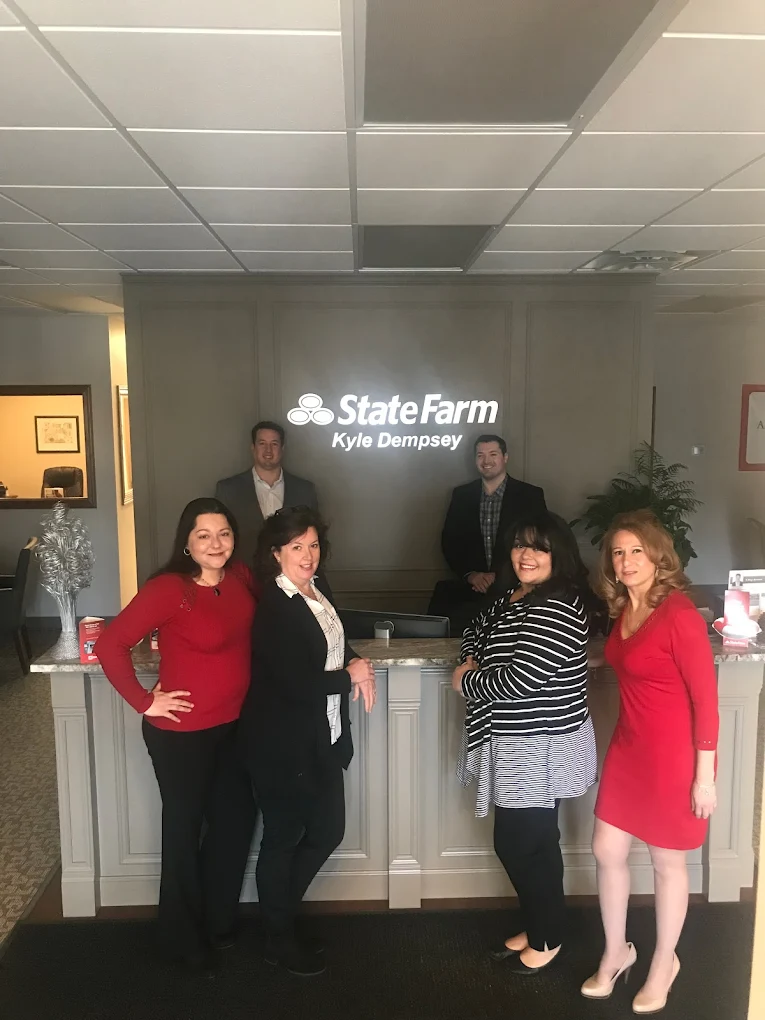
If you manage high net worth assets, operate a business with unusual liabilities, or face regulatory requirements for insurance, consider a specialist, either at a local agency with the right expertise or a boutique firm that handles complex accounts. Also, for flood insurance, which is often federally backed in the United States, ask agents about availability of National Flood Insurance Program coverage, waiting periods, and supplemental private options.
Putting it into practice: how to start local Begin with a quick phone call to a nearby office. Ask for a 20-minute review of current coverage, without obligation. Bring or email current policy declarations pages, recent mortgage documentation if applicable, and a list of high-value items that might require scheduled personal property. If you are buying a car, request a State Farm quote or comparable carrier quote, and ask how bundling will affect your premiums.
Visit in person if you can. A short meeting reveals much about responsiveness, expertise, and whether an agent takes time to explain exclusions, deductibles, and real-world claim scenarios. If you cannot visit, request video or screen-sharing so you can review the declarations page together.
Final practical notes for Hammond and other local searches If you search Insurance agency hammond, or simply type insurance agency near me into a search bar, pay attention to the agency’s local footprint and whether agents hold community roles. Local presence matters for physical damage claims that require quick inspections, for flood-prone areas, and where municipal ordinances affect rebuilding. If you are looking for a State Farm agent specifically, check their local reviews, confirm they can issue both auto and homeowner policies, and ask about their process for claims advocacy.

Choosing a local insurance agency is not about rejecting the convenience of technology. It is about combining digital tools with human judgment and local knowledge. For many households, that combination preserves peace of mind, reduces risk, State farm agent and turns a transactional relationship into a practical partnership that pays off when it matters most.